



Comunidad Dominicana en EEUU frente a Covid-19
Visitar el website >
Eventos y Actividades
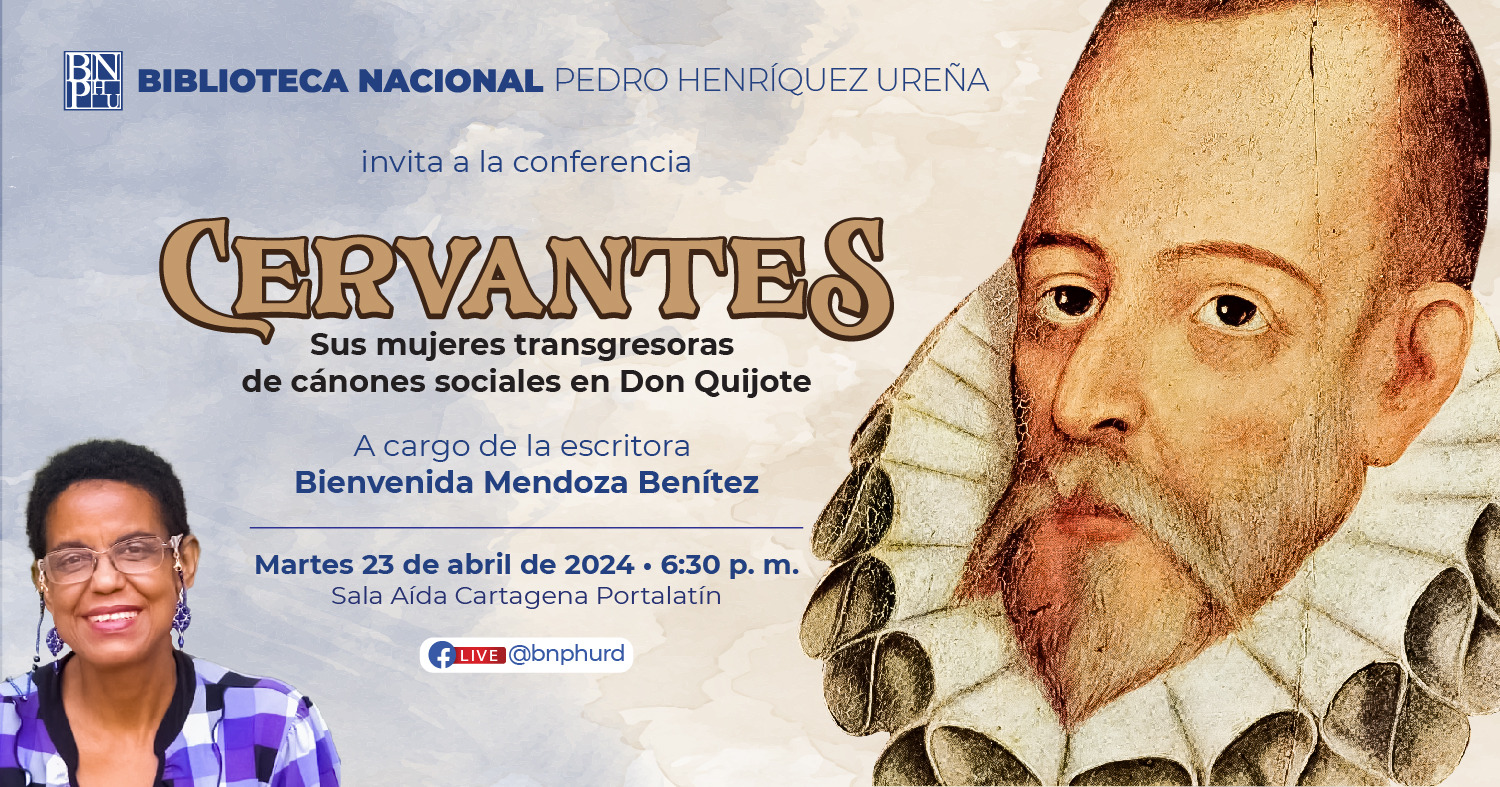
Conferencia CERVANTES: Sus mujeres transgresoras de cañones sociales en Don Quijote
Donde: Sala Aida Cartagena Portatin, Biblioteca Nacional Pedro Henríquez Ureña
Día: martes 23 de abril del 2024
Hora: 6:30 p.m.
Lugar: C/ Cesar Nicolas Pensón No.91, Gazcue. Santo Domingo
Teléfono: 829-946-2674

A Bailar se ha dicho
Donde: Hard Rock Café Santo Domingo
Día: viernes 26 de abril del 2024
Hora: 9:00 p.m.
Lugar: Av. Winston Churchill No. 80, Blue Mall. 4to. Piso. Santo Domingo
Teléfono: 809-686-7771 / 809-922-1439 / 1-939-305-3555
Boletas a la venta en: https://uepatickets.com/
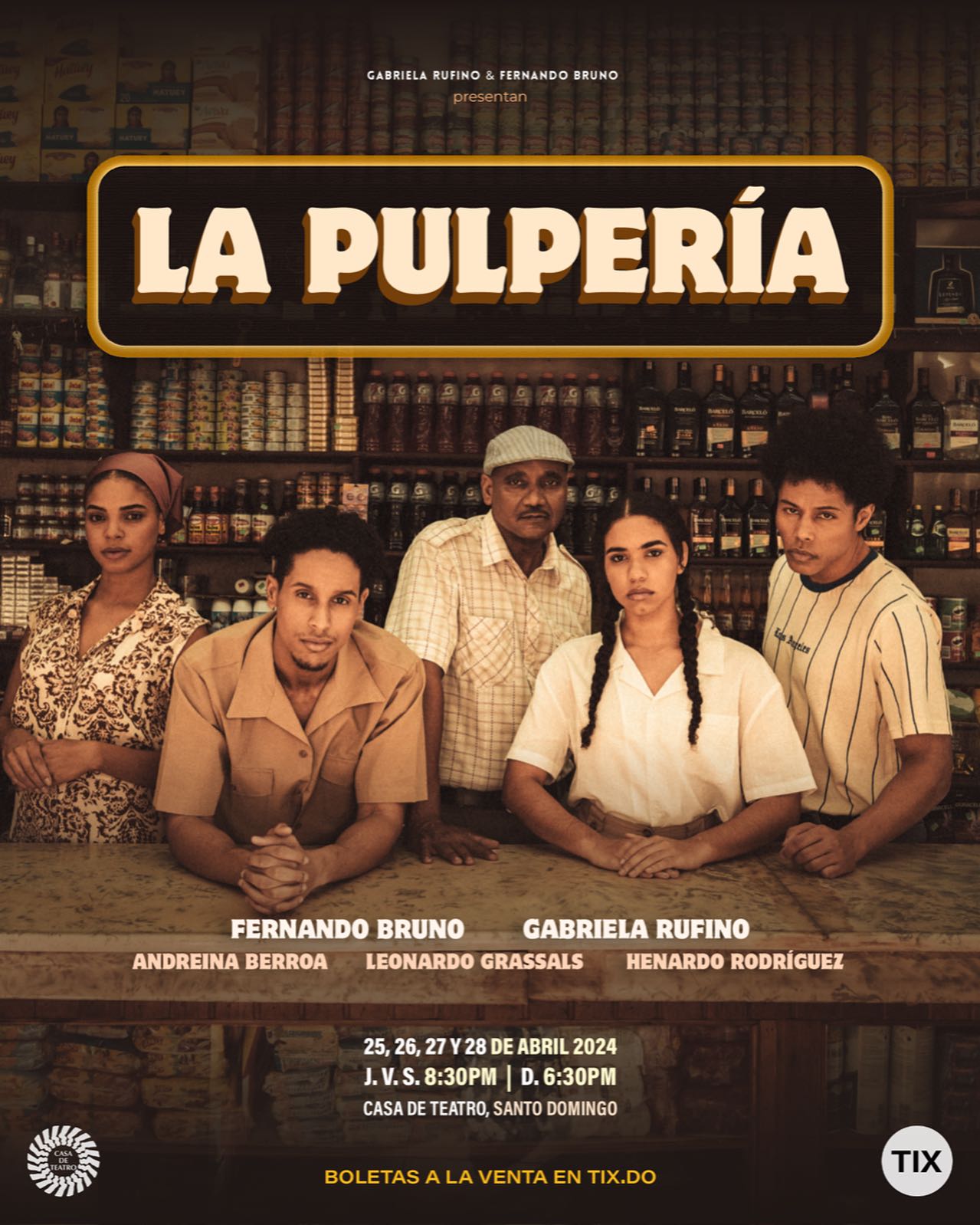
Obra de Teatro La Pulpería
Donde: Casa de Teatro
Días: 25, 26, 27 y 28 de abril del 2024
Horario: jueves, viernes y sábado 8:30 p.m. domingo 6:30 p.m.
Lugar: C/ Arzobispo Meriño No.110, Zona Colonial. Santo Domingo
Teléfono: 809-689-3430
Boletas a la venta en: www.tix.do
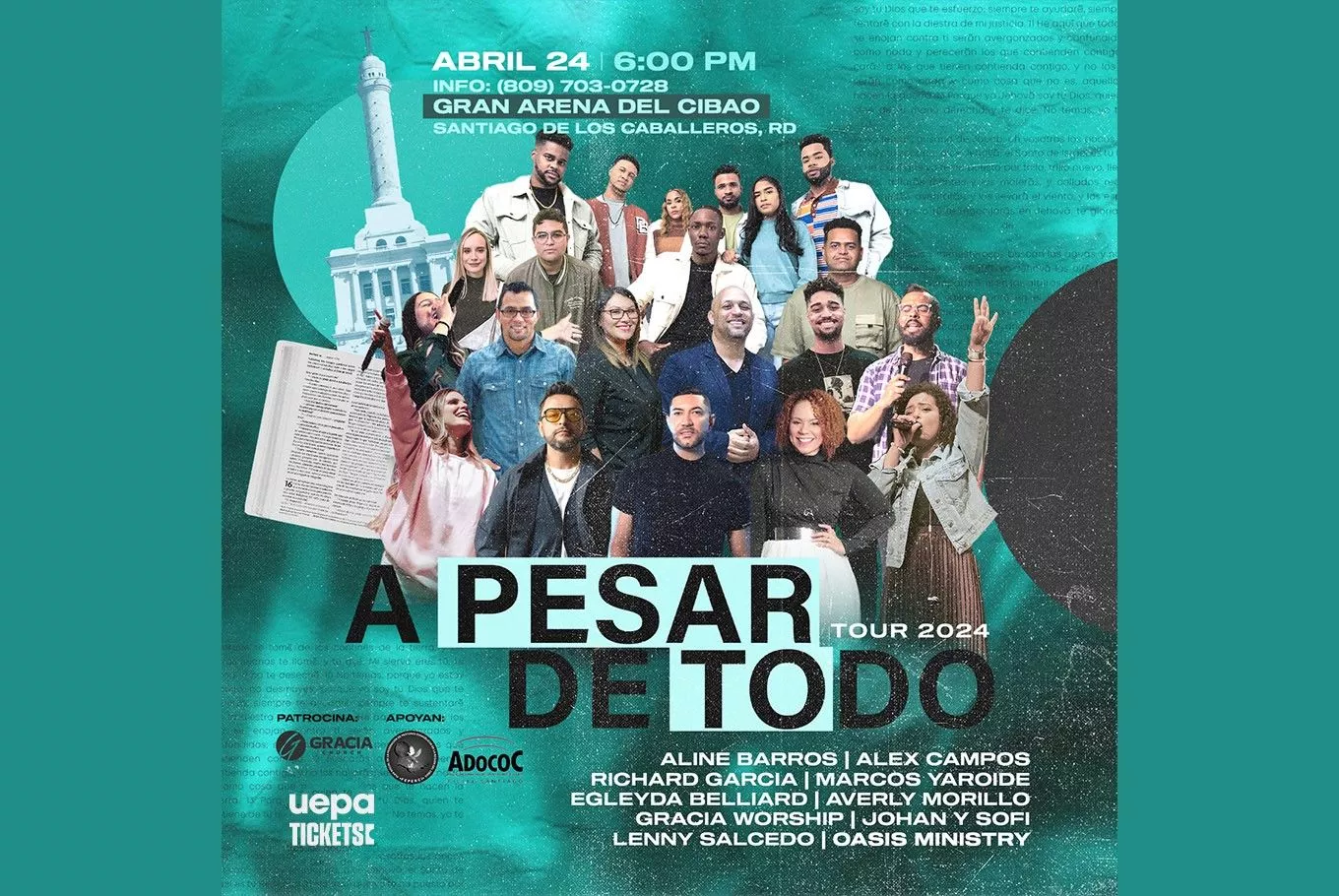
A Pesar de Todo Tour 2024
Donde: Gran Arena del Cibao, Santiago de los Caballeros, R.D.
Día: viernes 26 de abril del 2024
Hora: 6:00 p.m.
Lugar: Av. Enriquillo No.35. Santiago de los Caballeros 51000
Teléfono: 809-703-0728
Boletas a la venta en: https://uepatickets.com/

Amaury Gutiérrez: Intimo
Donde: Lungomare del Malecon
Día: viernes 26 de abril del 2024
Hora: 10:00 p.m.
Lugar: Av. George Washington No. 365. Santo Domingo
Teléfono: 809-682-3009 / 809-430-1358
Boletas a la venta en: https://uepatickets.com/
Ultimas noticias
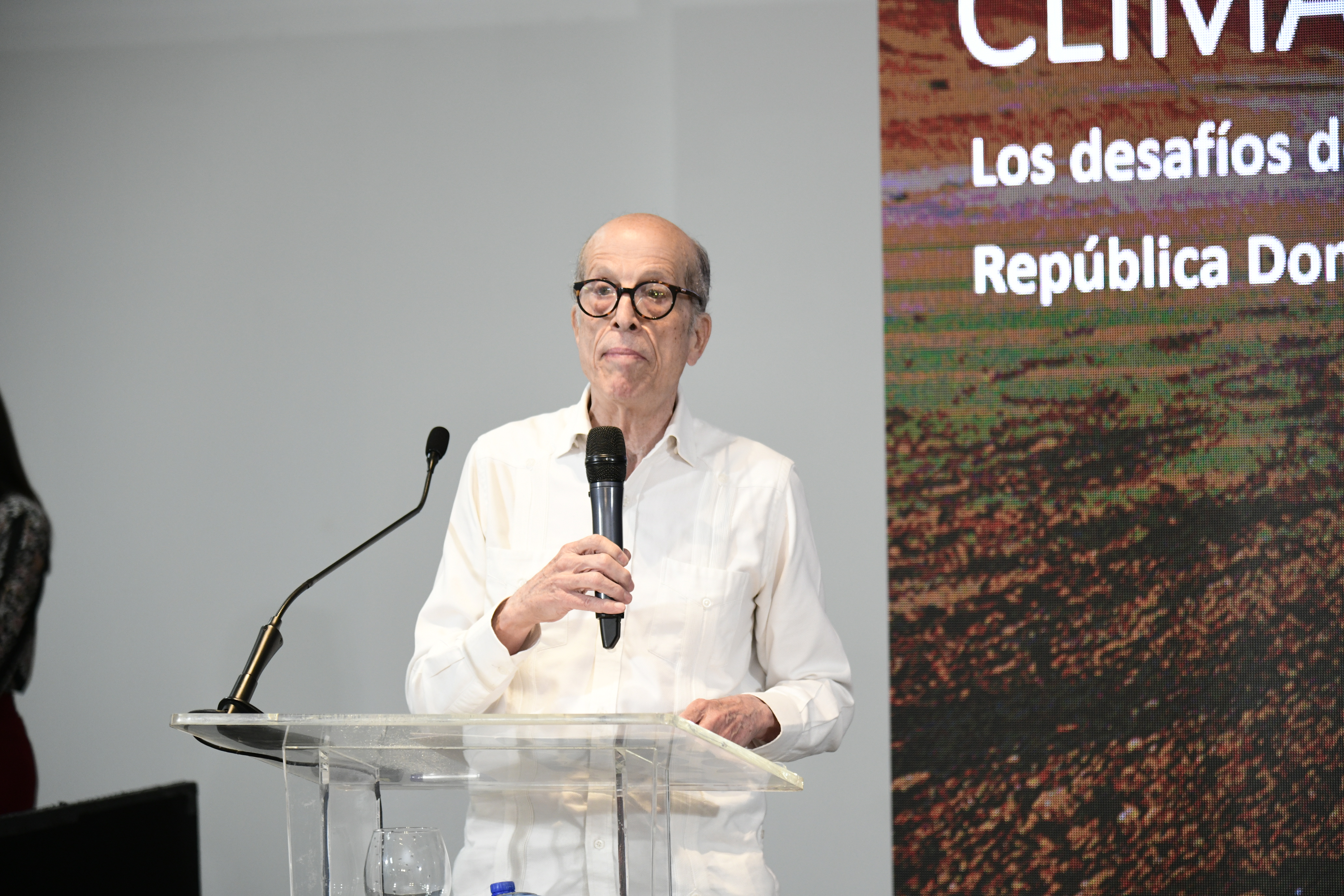
Inauguración de la XII Feria Semana de la Geografía 2024
April 16, 2024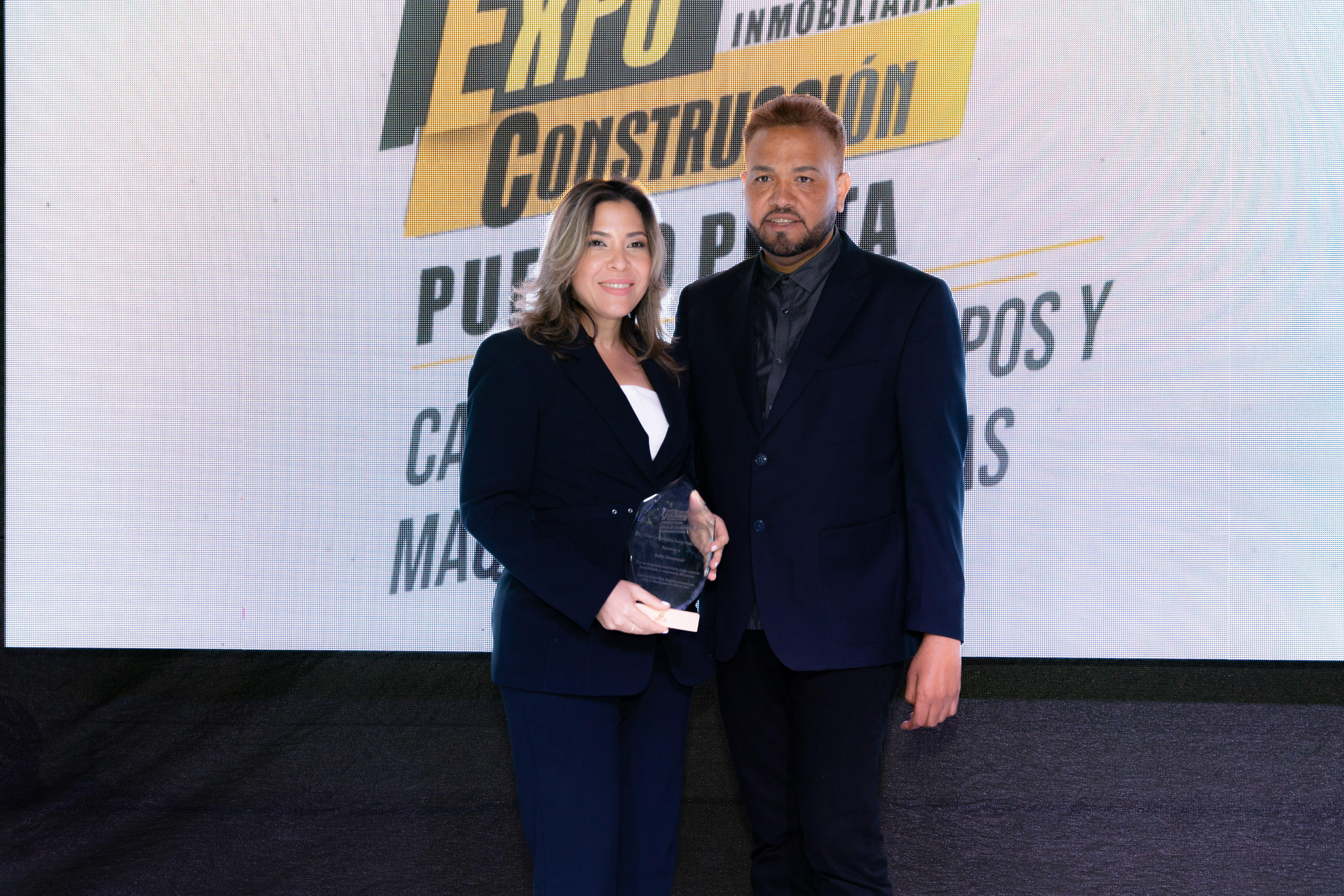
Sector construcción dominicano reunido este fin de semana en la IV Expo Construcción Puerto Plata
April 15, 2024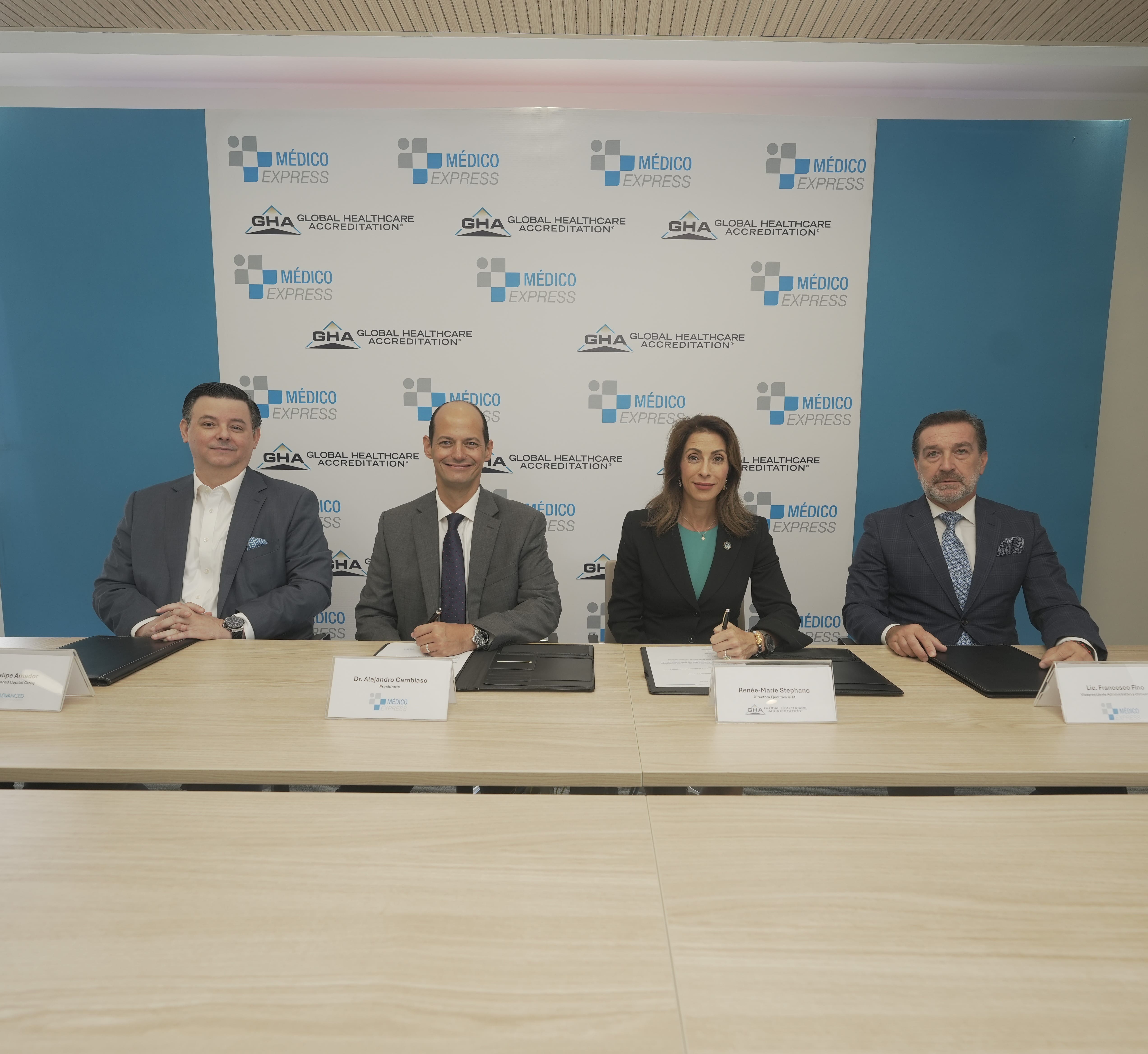
Médico Express será pionero en RD con certificación de excelencia para turismo médico
April 12, 2024
Realizan premiere de la nueva película "Canta y no Llores", coproducción entre República Dominicana – España
April 9, 2024- Ver todas las noticias
-
Dominicanos en Grandes Ligas
Las ultimas noticias/novedades de lo que acontece con los Dominicanos en las Grandes Ligas durante toda la temporada 2024
¿Sabías qué?
Santo Domingo cuenta con varias primicias de América, tales como: primera ciudad española en América, primera misa y primer ayuntamiento en el Nuevo Mundo (en la Isabela), primera catedral de América, primer palacio virreinal, primer cabildo que funciona desde la colonia, primer hospital, primera torre del homenaje, primer edificio de las Casas Reales, primera universidad, y primera casa de contratación.
Libros y Publicaciones (Ver todos)
-

Lo Dominicano I All Things Dominican
Una publicación de GFDD / Funglode de lectura ligera y fresca, bilingüe (español e inglés), que presenta las principales facetas de la dominicanidad, los recursos naturales y la cultura del país, desde una perspectiva moderna e innovadora, de fácil comprensión, con énfasis en informaciones curiosas y poco conocidas.
Disponible en Amazon -

Nuevas Perspectivas: República Dominicana
Compuesto por 400 fotos aéreas tomadas desde el cielo, el libro se divide en nueve capítulos ─Reflejos, Costas, Alturas, Planos, Ciudad, Turismo, Historia, Trabajo y Gente─, que contienen textos sobre distintos aspectos de la historia del país, su cultura, el medio ambiente y la vida contemporánea.
Disponible en Amazon -

Diccionario Enciclopédico Dominicano de Medio Ambiente
Una guía, de la A a la Z, del medio ambiente y los recursos naturales de la República Dominicana. Sus 463 páginas reúnen las definiciones de 712 términos, con la información más reciente y completa, ilustrada con 700 fotos, 58 tablas y 123 figuras, y complementada con 17 artículos científicos sobre los desafíos ambientales y métodos de conservación.
Disponible en Amazon

Enlaces rápidos
Conéctate con nosotros
Puede mantenerse al día con nuestras noticias, eventos y actividades a través de nuestros canales digitales usando:


Quiero mantenerme actualizado:
Manténte informado con los últimos eventos y publicaciones. Ingresa tu correo electrónico en este simple formulario y te estaremos enviando noticias y actualizaciones directamente a tu cuenta.
¡Registrarme ahora!